4 October 2019
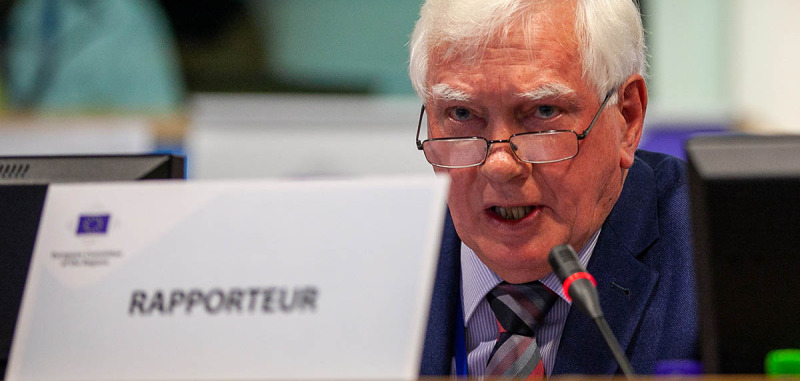
“Closing Europe’s innovation divide: horizon Europe funding alone is not enough”: Dooley outlines that research infrastructures are critical for regional development and competiveness, extending from scientific output to the impact on educational ecosystems, as well as for combating global challenges linked to climate and the environment.
“There is the risk of growing inequalities between cities and regions that benefit from the increased Horizon Europe research and innovation funding, and the others, who will suffer the consequences of the likely fall in cohesion policy budgets. This particularly concerns the newer Member States which have been the main recipients of structural and investment funds, while most of the Horizon Europe funding is concentrated in regions that excel”, rapporteur Dooley stresses.
11 July
During the SEDEC-commission meeting in the European Committee of the Regions, rapporteur Dooley’s draft opinion was unanimously approved.
Dooley said: “To address grand challenges, such as climate change, research infrastructures must be capable of integrating with those of neighbouring regions, creating greater knowledge-sharing and contributing to interdisciplinary research. R&I policy must be linked the development and implementation of smart specialisation strategies, as these are innovative approaches to boosting economic growth, job creation based on identified regional needs, linking and involving regions in R&I activities”.
12 April
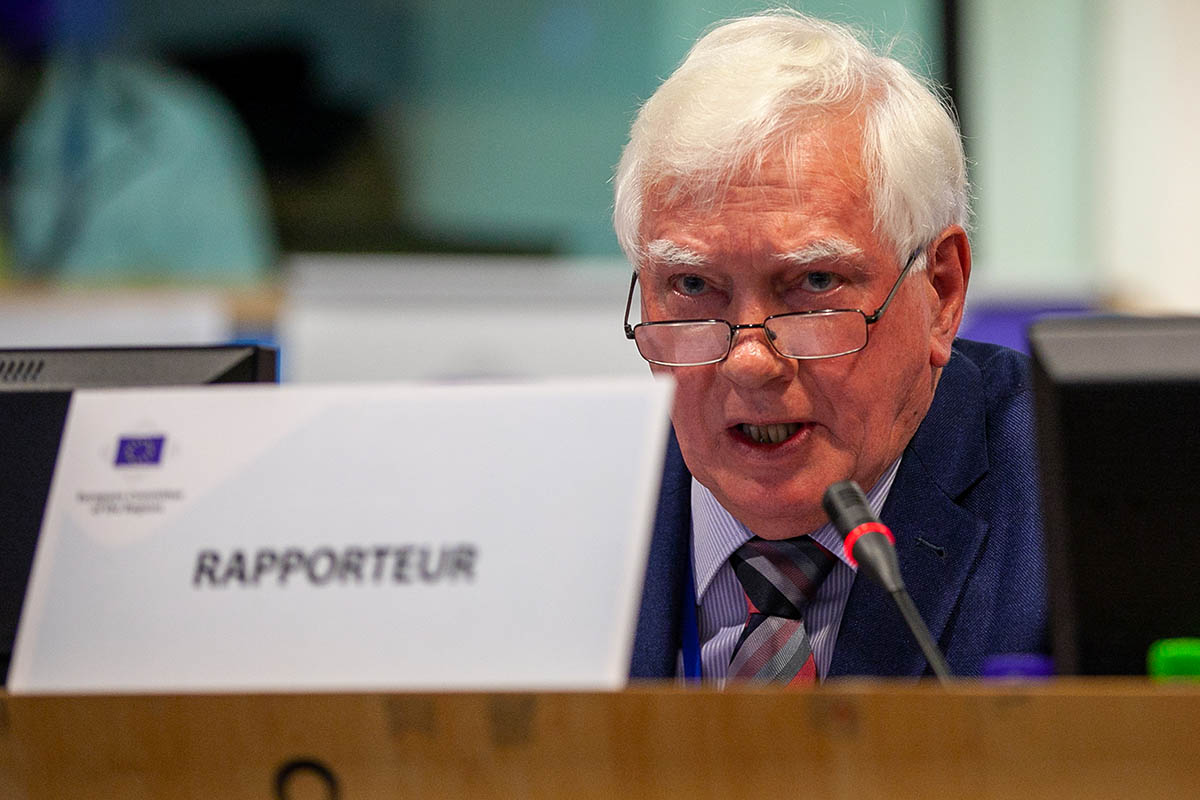
The rapporteur discussed his report with the Romanian European Council Presidency and the rapporteur of the European Economic & Social Committee, Prof. Samm, as well as with the ALDE Group in the European Parliament advisors.
11 April
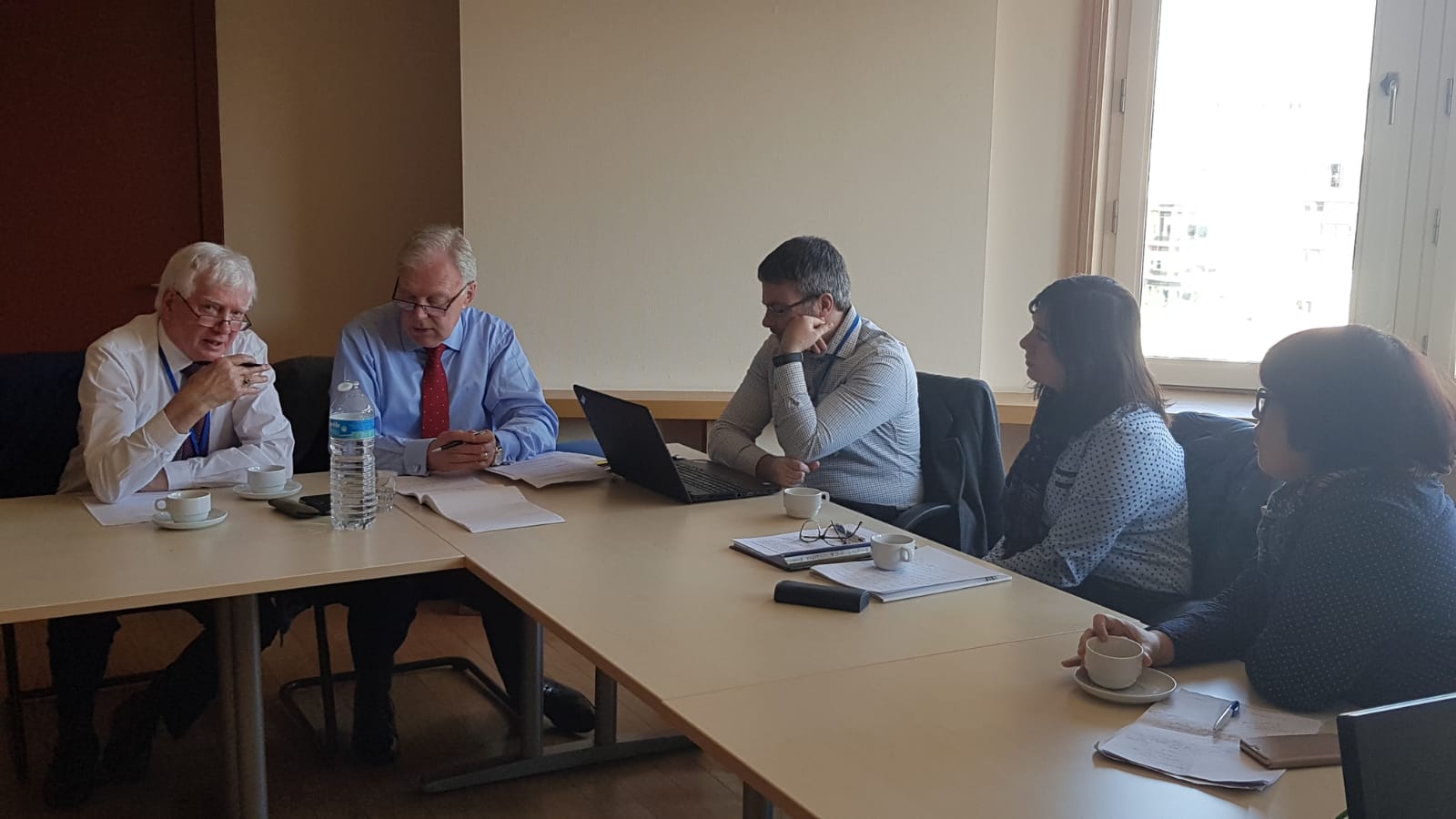
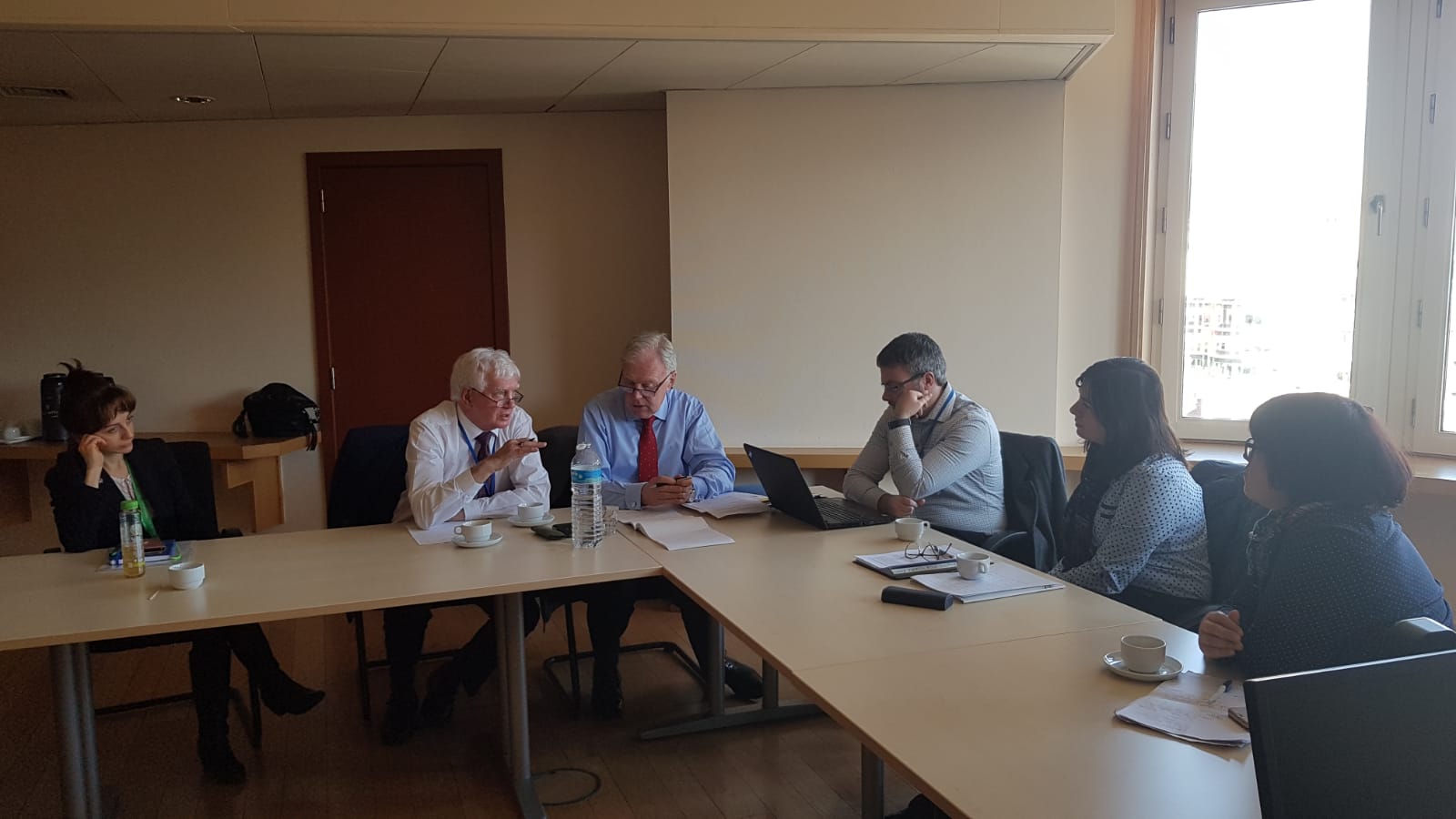
Eamon Dooley discussed research infrastructures with Eoghan O’Neill of the European Commission’s DG Connect, and with the Executive Secretary of the European Strategy Forum on Research Infrastructures (ESFRI), a strategic instrument to develop the scientific integration of Europe and to strengthen its international outreach, at DG Research & Innovation.
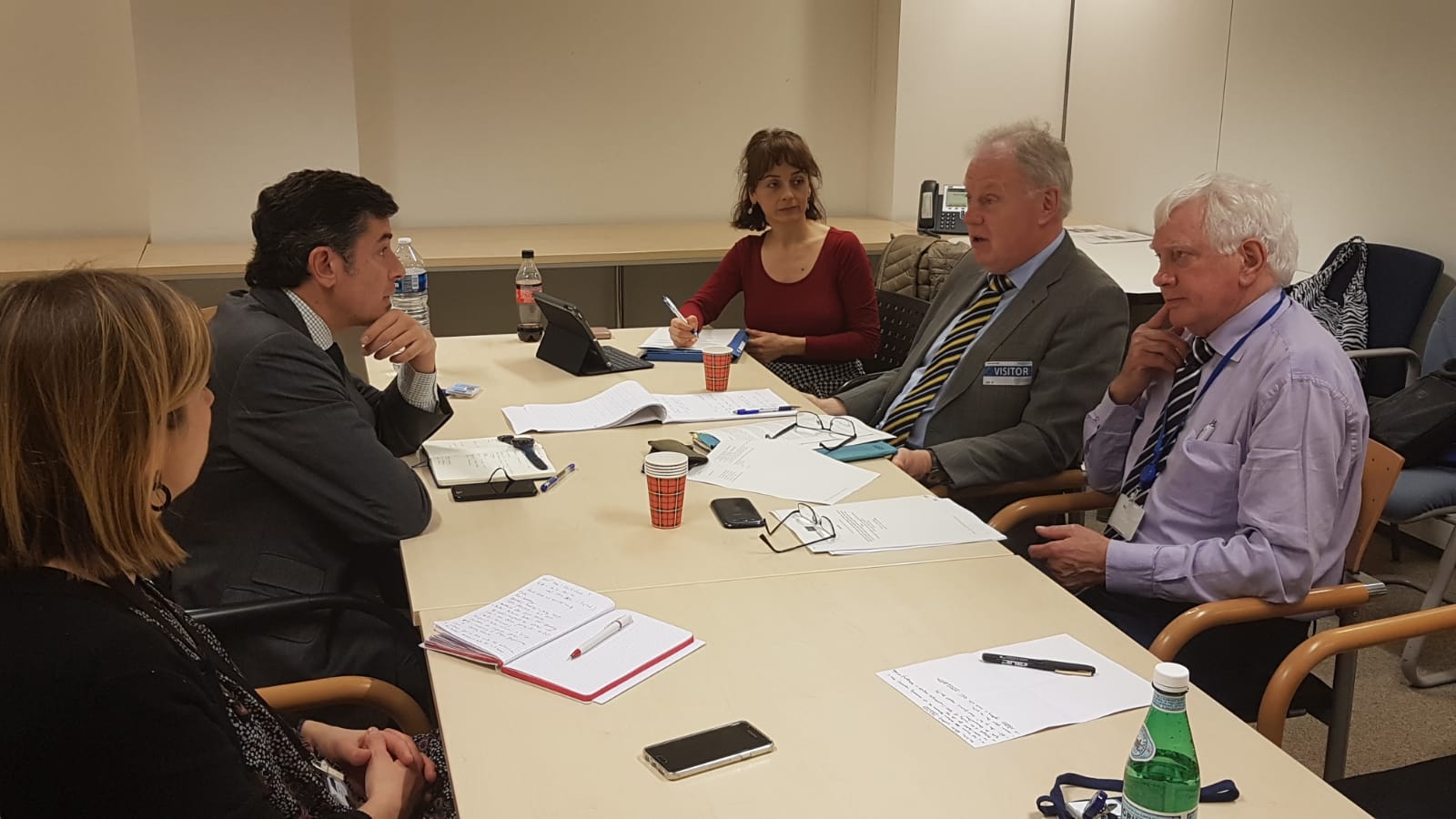
In the afternoon a stakeholders’ consultation took place in the European Committee of the Regions:
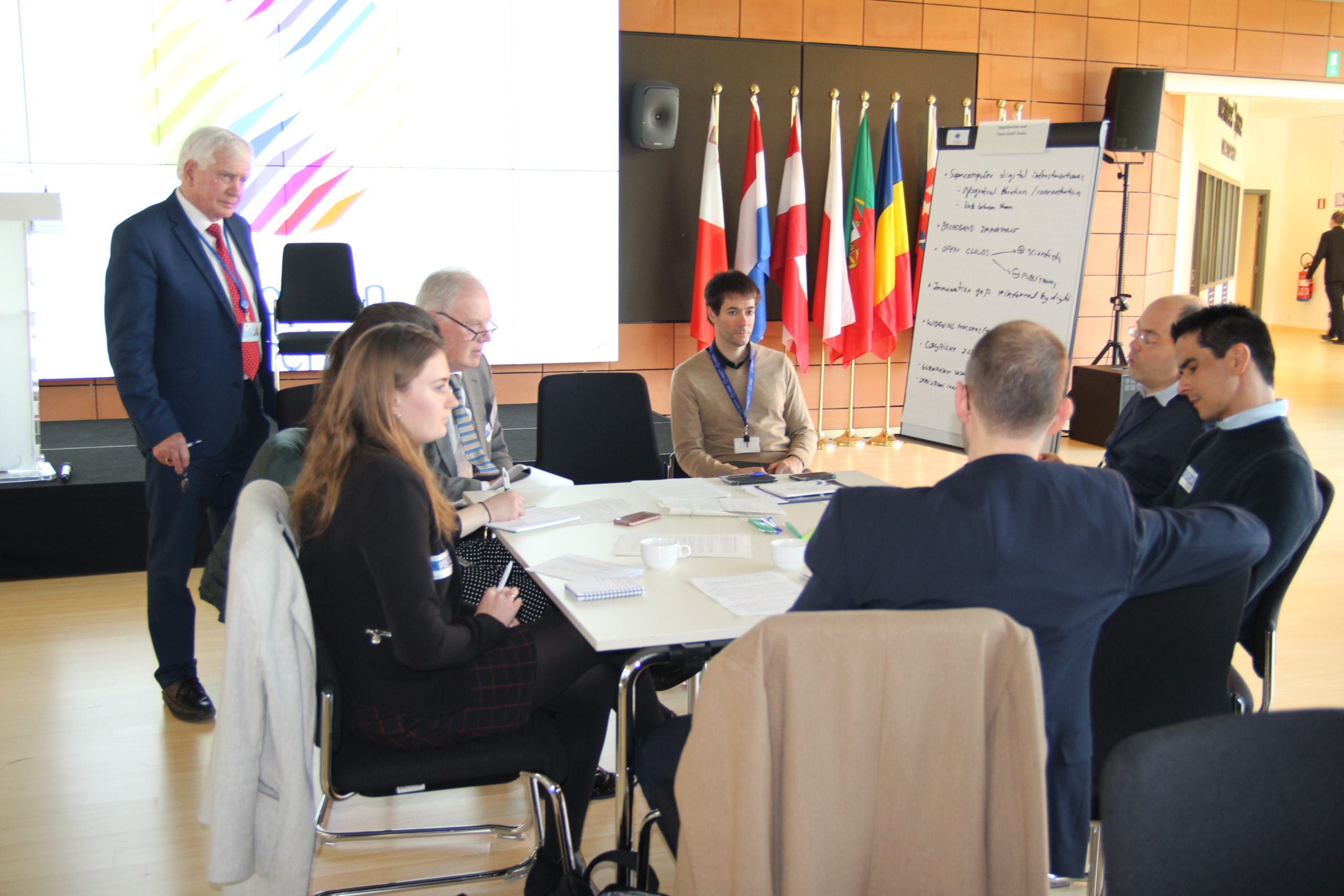
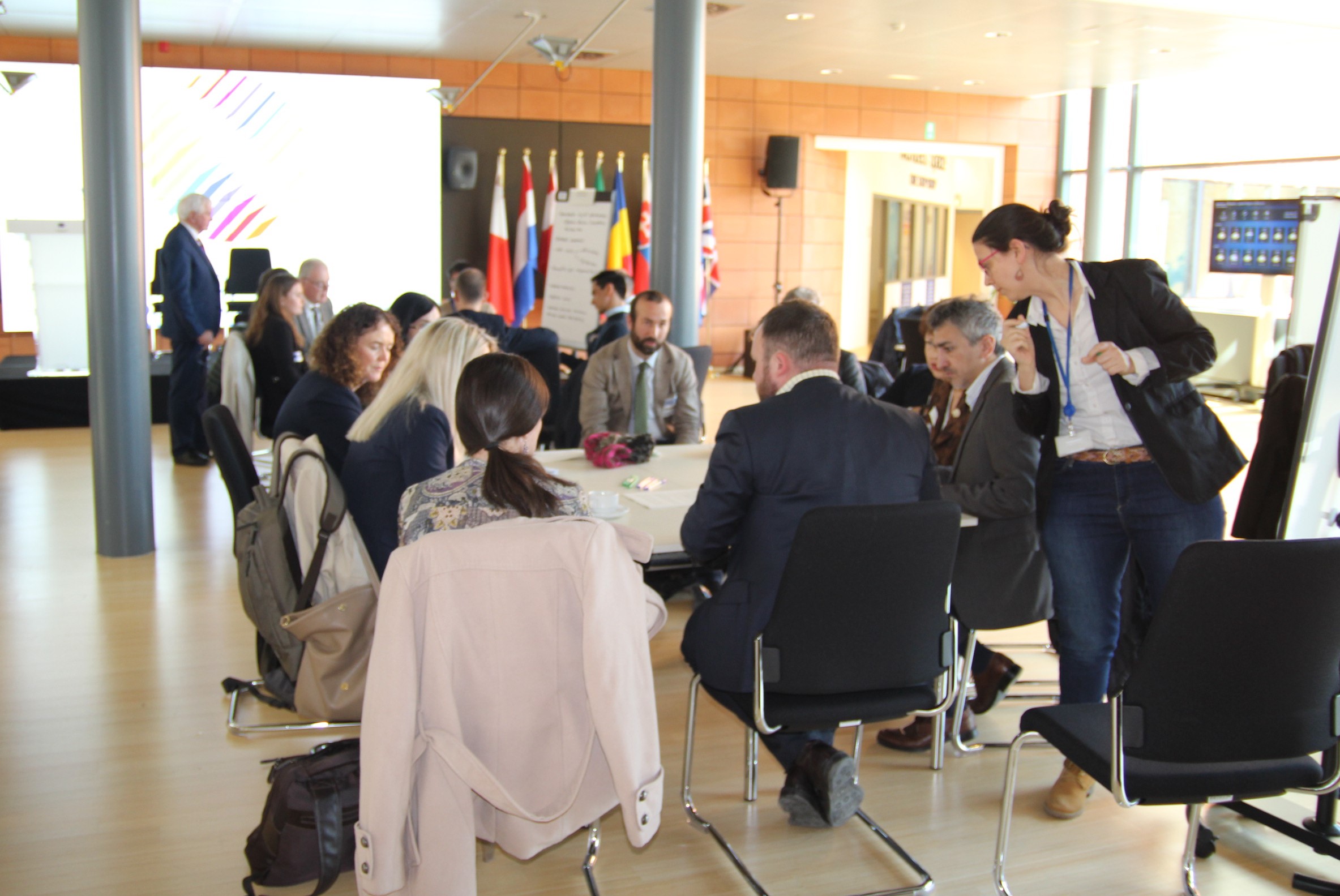
28 February
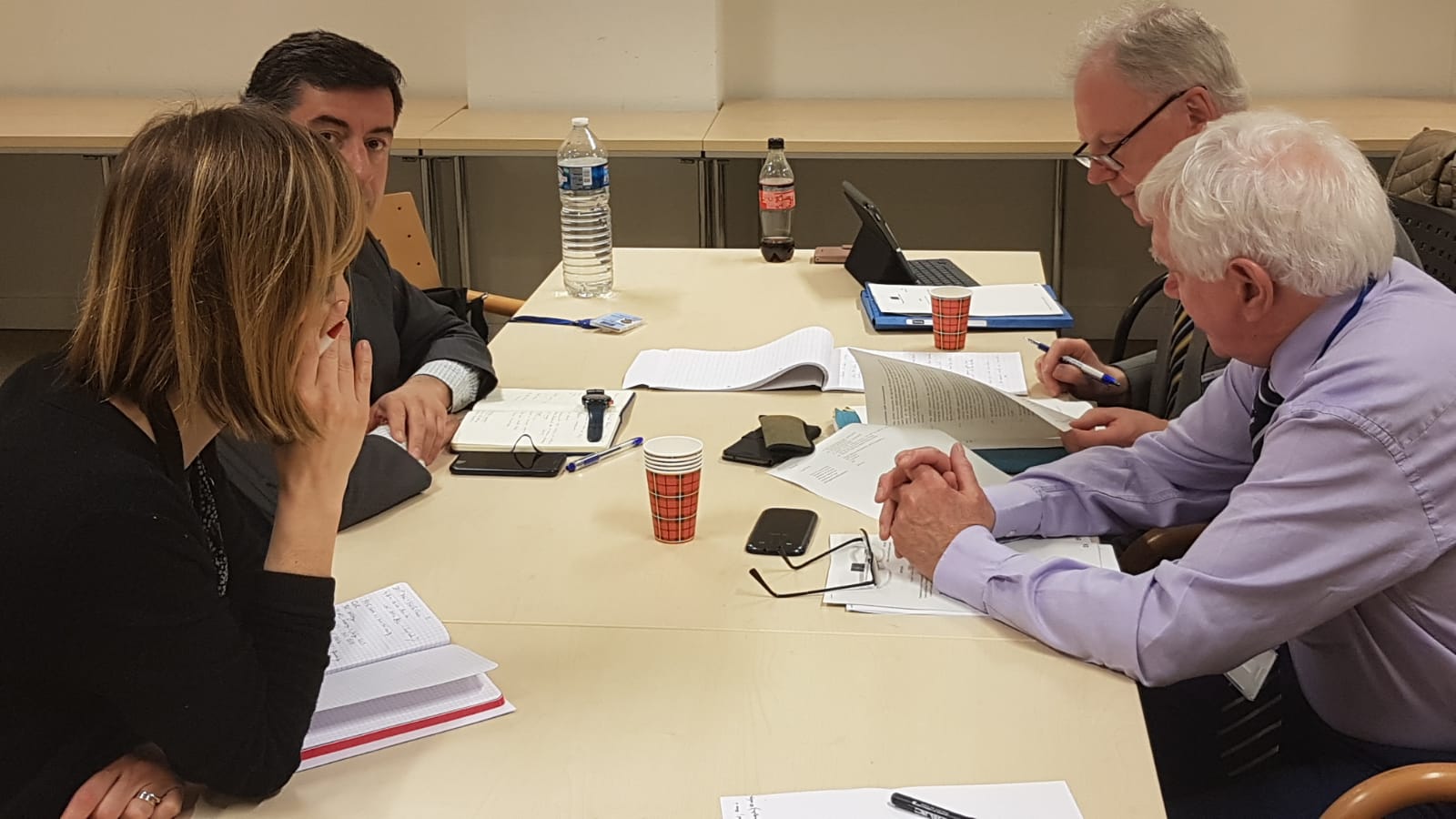
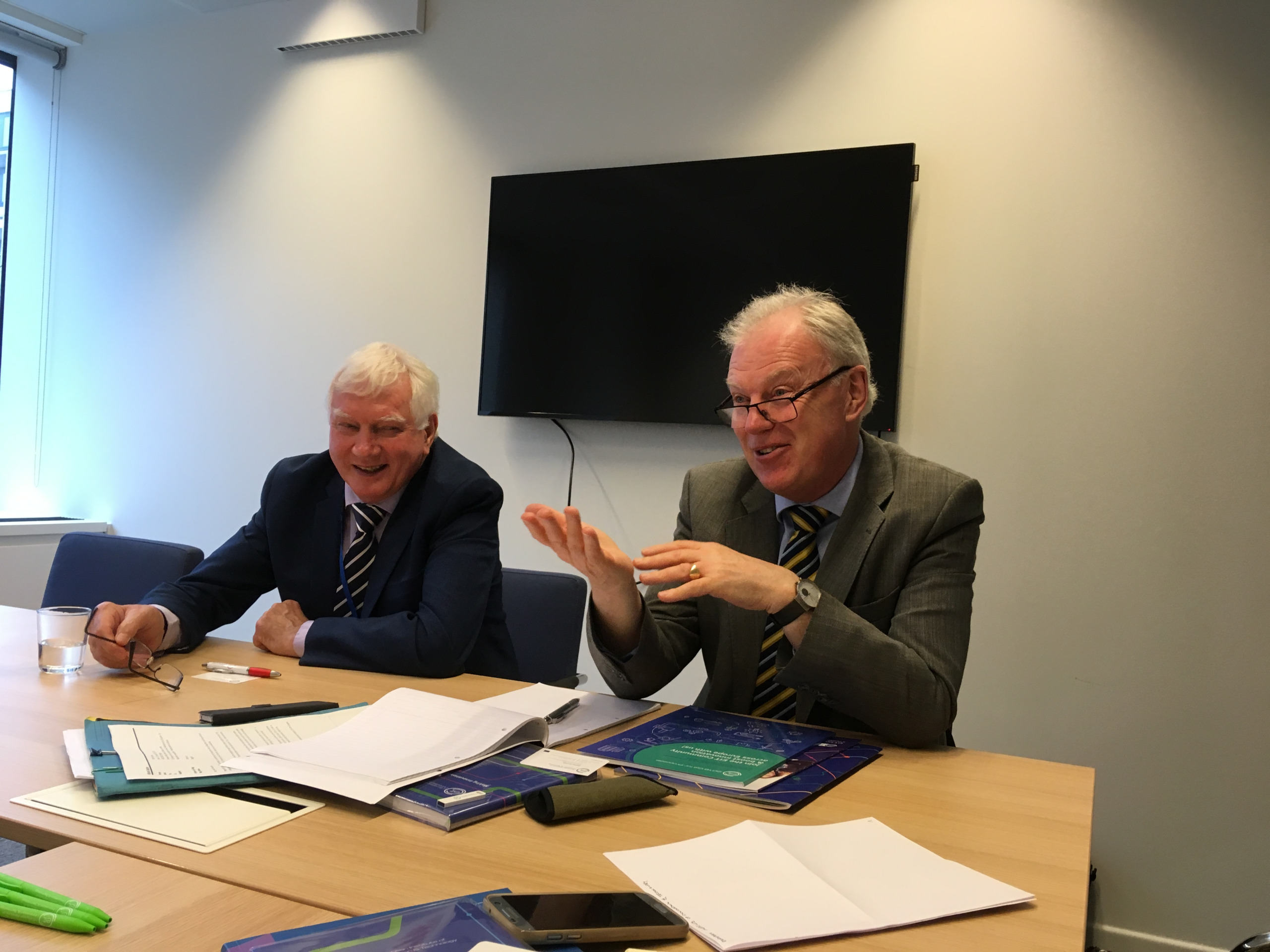
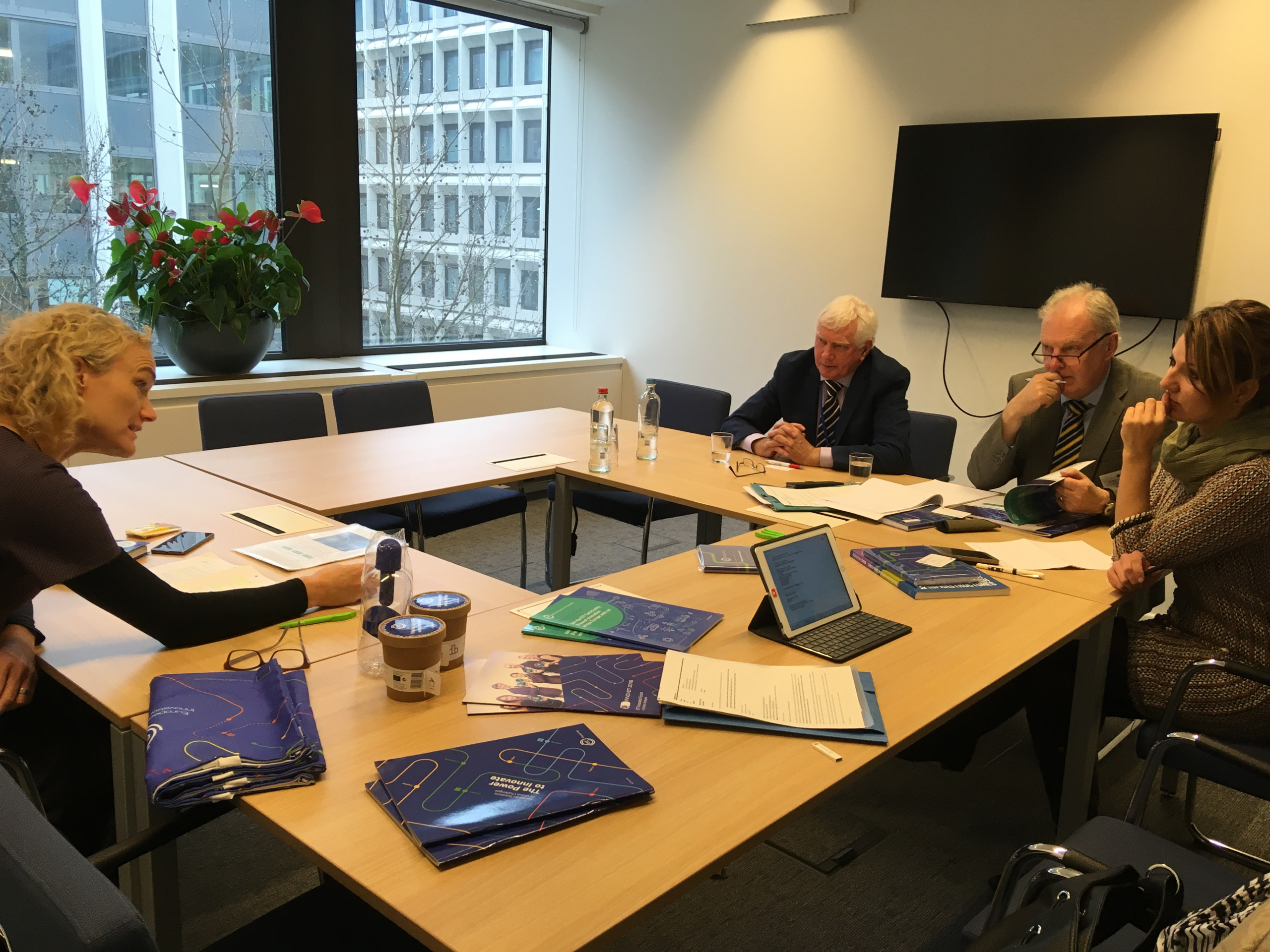
Eamon Dooley spoke with representatives and the Deputy Head of Unit of the DG Research and Innovation, discussing key challenges for research infrastructure with potential solutions for regions that perform poorly. They exchanged best practices on how to reach out to EU citizens and inform them about what has been achieved thanks to the EU.
With the European Institute for Technology and its Head of the Liaison Office, the rapporteur also talked about what the EIT is doing to address innovation from people’s perspective, placing the entrepreneur in the centre; what do they do in order to bring innovation results also to local and regional level: spreading of innovation hubs, creating a so called regional innovation scheme?
With the European Social and Economic Committee on Horizon 2020 Xavier Lobo, Dooley discussed how to create a “dream”, a “mission” as proposed by Commissioner Moedas, e.g. for Europe to discover the cure for cancer – what would be the concrete steps that we need to invest in? Skills/high-level education, less bureaucracy and strong single market are the basis for excellence in Research & Innovation; the need to attract and maintain talent is an imperative too, as well as the need for Member States to respect their obligation of reserving 3% of their GDP for research.
27 February
Rapporteur Dooley discussed with the Deputy head of unit Regional and Urban Policy, DG Regional Policy, the connection between structural funds and Horizon 2020 funding of research and innovation. How do these funds cover the construction of research infrastructure and research projects that are developed on the basis of this research? How can we bring entrepreneurs and citizens on board? How can we help regions transitioning if cohesion funds are dropped in the new Multi-Annual Financial Framework.