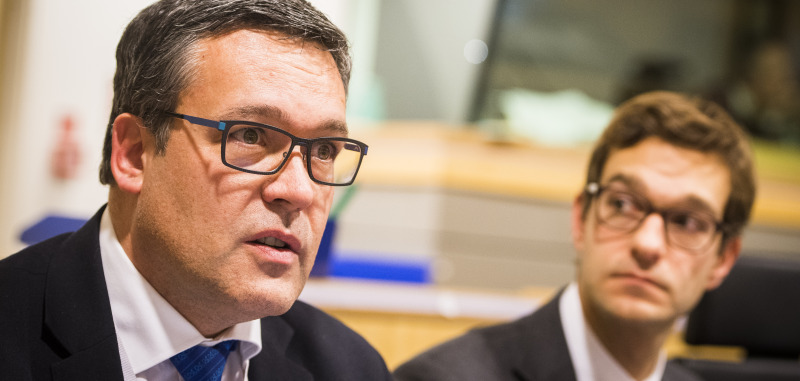
Local and regional authorities, led by Michiel Rijsberman, are calling for simpler and more flexible rules to speed up the implementation of EU funds
This would make day-to-day running of operations easier for beneficiaries of EU funds such as small and medium sized enterprises (SME’s) or management authorities. Several SME’s or local authorities for instance lack the resources in terms of staff or knowledge to apply for funds. Further simplification would therefore ease the burden for beneficiaries.
Continue reading below the picture
Auditing
One specific area in need of improvement is auditing. Excessive auditing requirements lead to major risks for regional administrations and SME’s: the whole process discourages many, leading them to believe that ESIF support is simply not worth the time and effort.
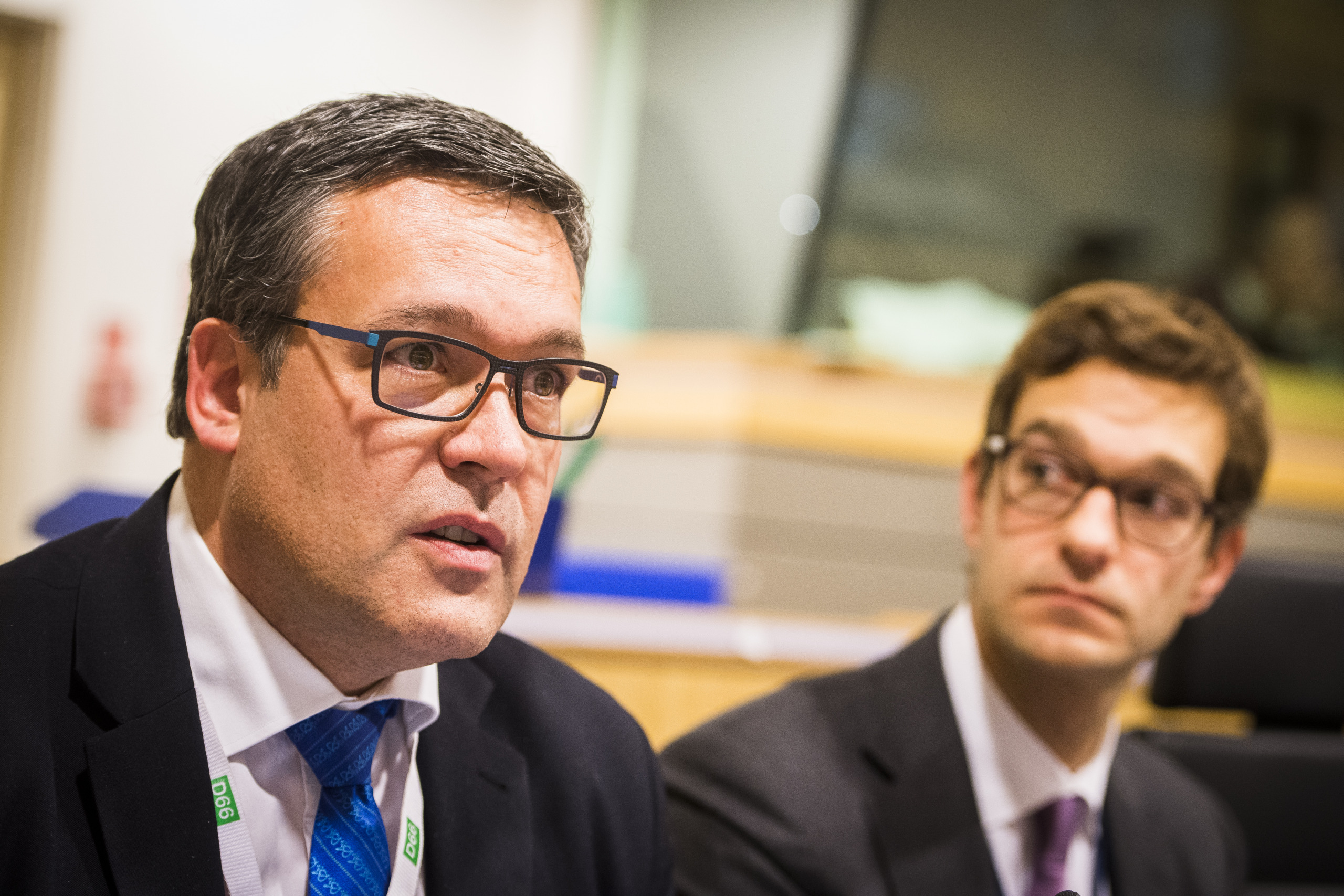
Rapporteur Michiel Rijsberman:
We urgently need to work on easier rules, and less bureaucracy. Good rules are needed and audits are necessary to find mistakes or prevent fraud, but authorities shouldn’t create extra mandatory control mechanisms, on top of international accepted rules; they should rely and trust each other’s findings. It is unacceptable that member states craft new, redundant checks which go further than what is necessary.
A clear example comes from Rijsberman’s country of the Netherlands, where some projects get up to six successive audits, checking everything “until the very last receipt!”
A more effective and reliable Europe
Rijsberman argues for a single auditing check.
The European Commission should arrange with the member states to have one clear auditing procedure among the recipients of European subsidies, so that management authorities and recipients know where they stand. One single audit will do, so that bureaucracy doesn’t stand in the way of making good use of European subsidies for the prosperity of all Europeans, fostering a more reliable Europe among our companies and citizens with just one set of rules.
Our rapporteur also requested continuing the simplification of Cohesion Policy with the proposal for the programming period post-2020. He urged for, among other things, reconsidering the multi-level approach in shared implementation programmes as it would be more efficient to deal with either the regional or local authorities or with the national authority depending on the geographical scope of the programmes.