How can regions contribute to decarbonisation efforts, arising from the Paris Agreement and what role can digitization play in this transformation? Our members set out to Düsseldorf for a series of study visits to tackle these challenges and a debate about the future of Europe. Scheduled to phase out coal by 2038, the region of Nordrhein-Westfalen (NRW) formed the perfect backdrop for our group meeting organized by our German CoR member Dietmar Brockes, of the NRW State Parliament and chairman of the Committee for Europe and International Affairs, to discuss the challenges for a sustainable Europe.
As Manuel Alejandro Cardenete (ES/Ciudadanos) stated:
It is not possible to postpone the transition for a sustainable Europe. It is thus necessary to create real incentives and signals from the EU for this proposal. The next 2021-2027 framework is the chance for this goal
For traditional coal regions like NRW, the decarbonisation process is hard(er) and they need special attention. Closing coal mines such as those near Düsseldorf by 2038 means that new jobs need to be created for thousands of people who work in this sector. Several of our study visits showed how a region like NRW is attracting new companies, invests in innovation in order to open new working places and attracts new investment to the region. This was illustrated by several study visits to new companies and projects such as the Aldenhoven Testing Center for autonomous driving and 5G, Digital Innovation Hub Düsseldorf and Startplatz
Talking with Christoph Dammermann, State Secretary and Minister of Economic Affairs, Innovation and Digitization on the first day and Prof. Dr. Andreas Pinkwart, Minister of Economy, Innovation, Energy and Digitization on the second day, several of our members voiced their local experiences and their citizen’s fears and needs. Eamon Dooley (IE/Fianna Fail), from County Offaly where the extraction of peat is coming to an end, said he learned that “the energy transition means dealing with people as well as with communities in a transparent and fair way. Nobody should be left behind”. Doreen Huddart (UK/Liberal Democrats) added that these structural changes in coal and carbon intensive regions “are not just or only an energy but also an ethical question. We need to create valuable energy and employment alternatives”. Frank Cecconi (FR) said that citizens will profit from opportunities that will not take place immediately, so “we need to ensure the acceptance of our citizens and Europe has to a key role to play in this”. Carlos Aguillar Vazquez (ES/Ciudadanos) concluded that “Assistance such as the Just Transition Fund needs to be open to all coal and carbon intensive regions: the fact that mines are physically closed, it certainly does not mean that the transition is over”.
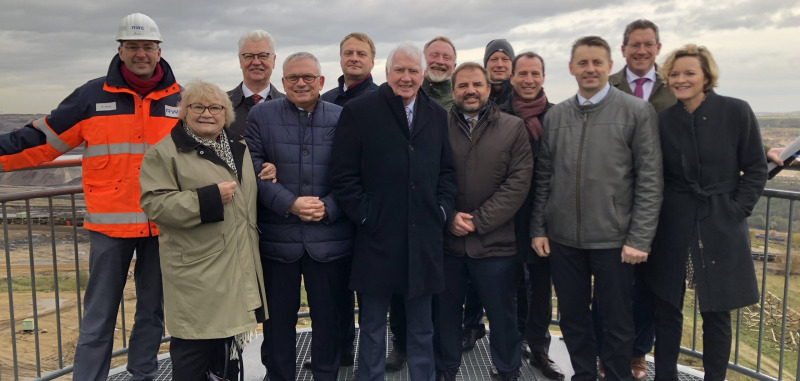
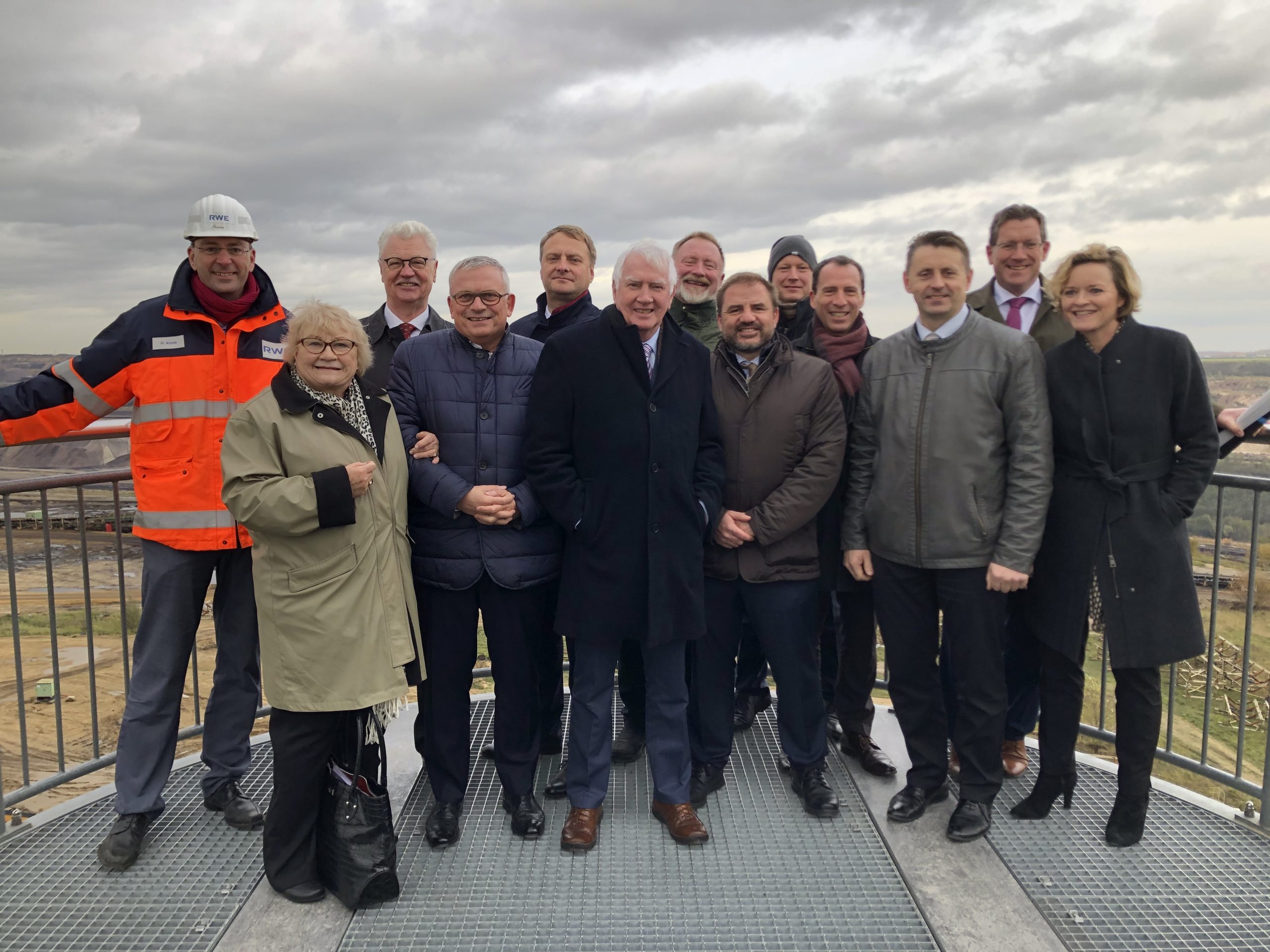
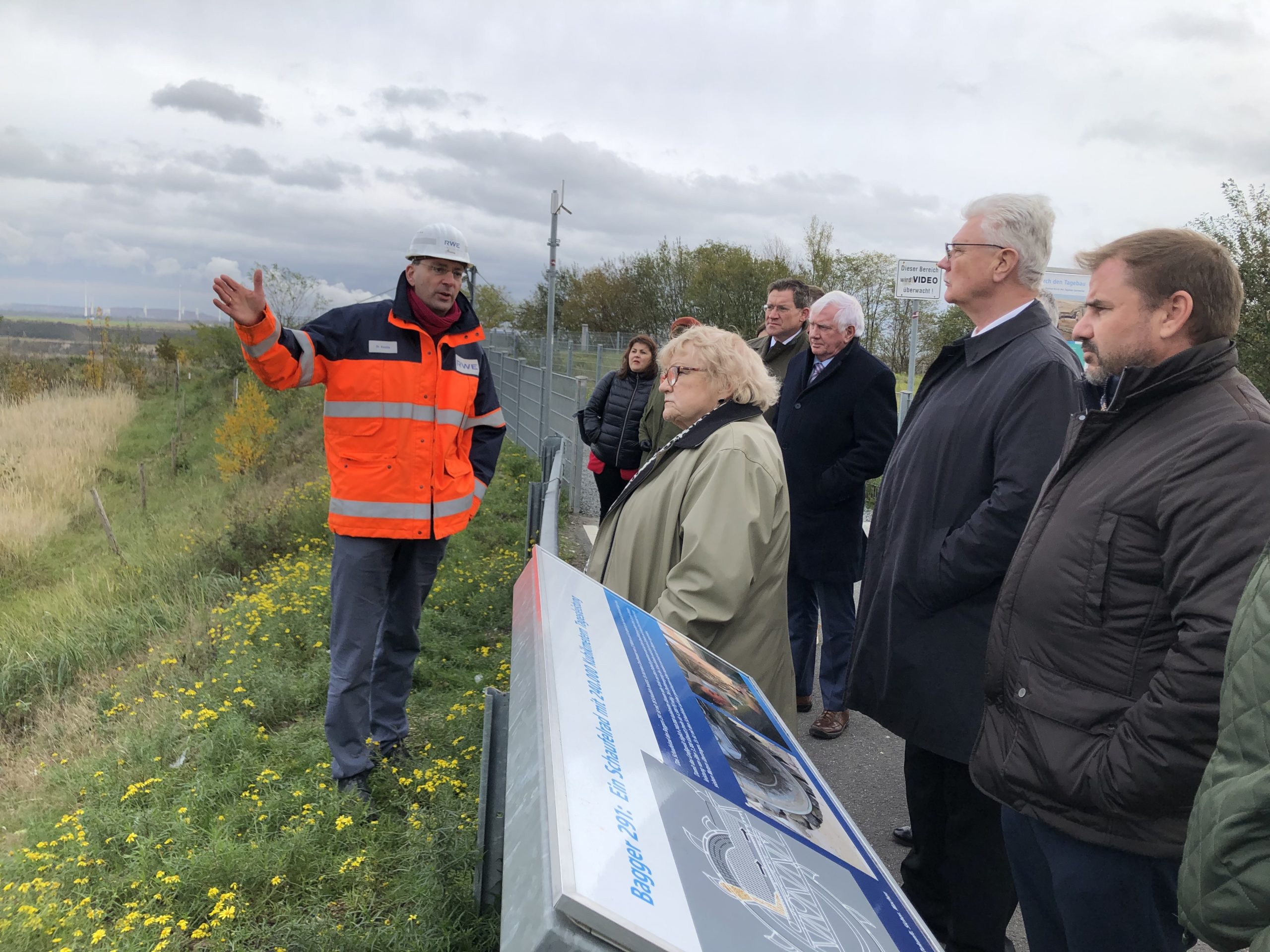
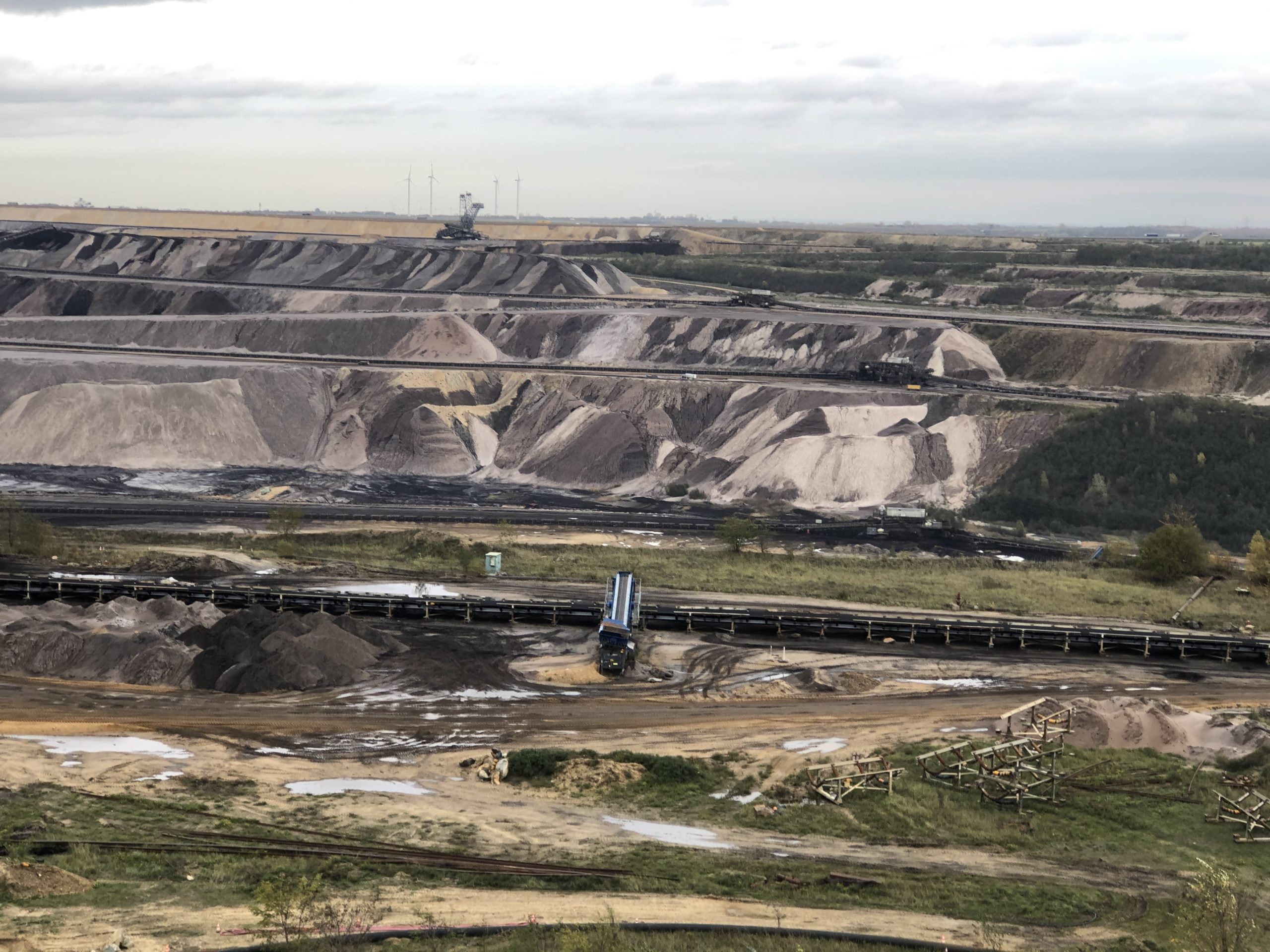
The discussion was followed by a study visit to the impressive Garzweiler surface mine.
 The Future of Europe
In an engaging debate with our members, Moritz Körner MEP addressed our European Committee of the Regions members who he urged to act even more as real “ambassadors of EU policy”.
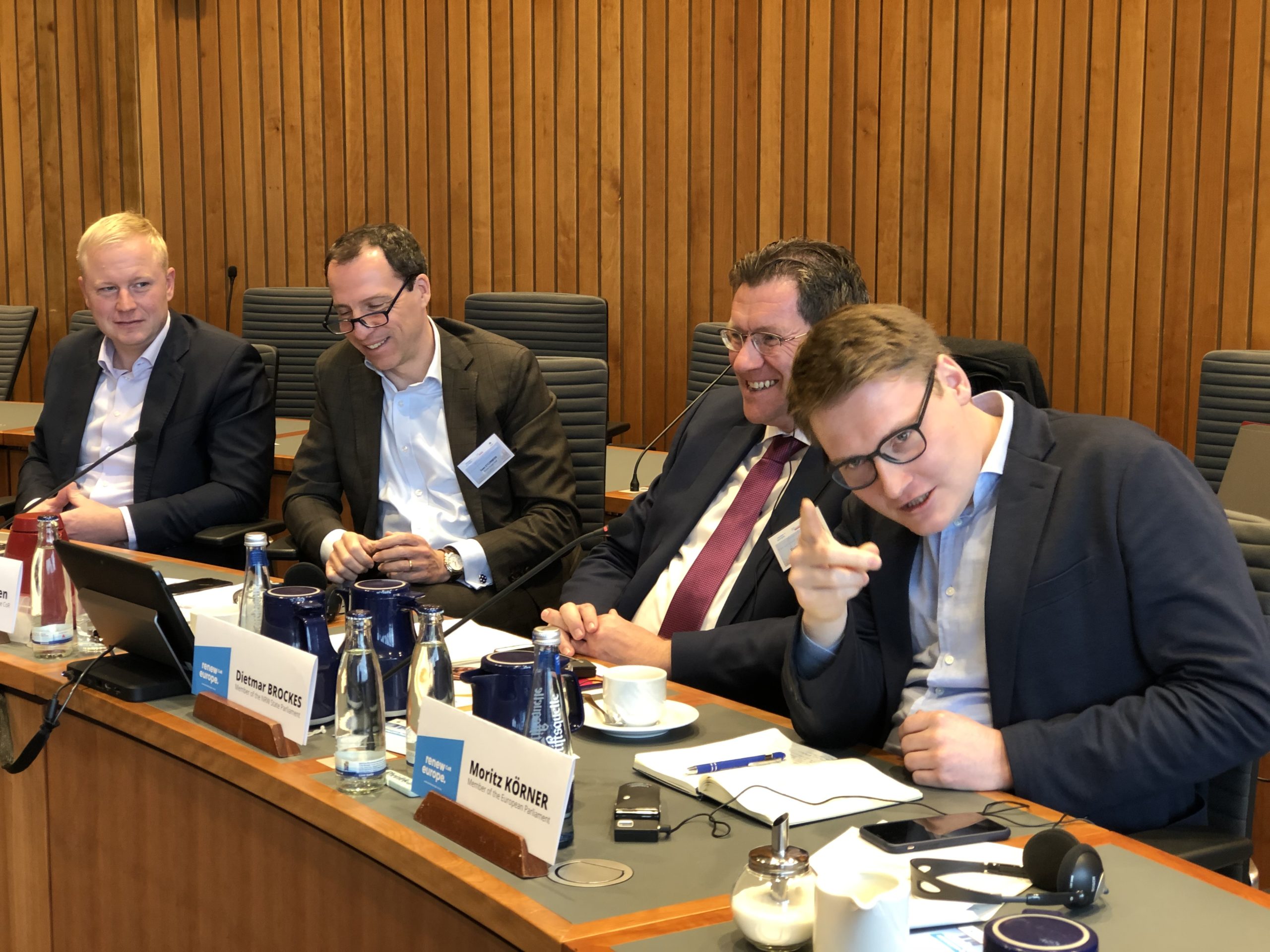 He identified digitalisation and dealing with technological challenges as a true challenge for Europe, which is currently behind countries like China, arguing that:
Digitalisation has to serve the people and through digital innovations we should make their lives better. The European way has to be a digital world with privacy and data protection. Regulating big digital platforms should not lead to blocking innovation in Europe, as we need innovation
Mart Vörklaev, who has been CoR rapporteur for the telecom package and the boosting of broadband in Europe, chimed in:
99% of public services in Estonia are available online. Estonians trust e-solutions for setting up a company, visiting the doctor, electronic voting,…Important in all of this is that our teachers are being taught digital skills and to all have fast connections – European programmes such as WIFI4EU for example enables our cities to build fast internet in public areas
The group meeting and study visit to Düsseldorf took place on 11 and 12 November 2019.
“Structural changes in coal/carbon-intensive regions are not only an energy but an ethical question! We need to create valuable #energy and employment alternatives” at coal regions in transition debate. pic.twitter.com/9vQvulwvfH
— Renew Europe CoR (@RenewEuropeCoR) November 11, 2019
.@frank_cecco: “Whether we speak about the #energy or the #digital transition, we will profit from opportunities that will not take effect immediately – so we need to ensure the acceptance of our citizens and Europe has a key role to play” at coal regions in transition debate pic.twitter.com/rEYj6yCn4A
— Renew Europe CoR (@RenewEuropeCoR) November 11, 2019
“It is not possible to postpone the transition for a #Sustainable Europe. It is thus necessary to create real incentives & signals from the E.U. for this proposal. Next framework 2021-2027 is the chance for this goal” says @macarflo at our coal regions in transition debate pic.twitter.com/EjKeXSF8WZ
— Renew Europe CoR (@RenewEuropeCoR) November 11, 2019
“Coming from the Midlands, region living on peat production for last 75 years, lesson I learnt about #energytransition is “Deal with people & communities in transparent & fair way. Nobody should be left behind” says @EamonDooley @fiannafailoy at coal regions in transition debate pic.twitter.com/Gojj9jPm0Q
— Renew Europe CoR (@RenewEuropeCoR) November 11, 2019
“The just transition fund needs to be open to all coal and carbon intensive regions: the fact that mines are physically closed, it certainly does not mean that the transition is over” says Carlos Aguillar Vazquez at our coal regions in transition debate. pic.twitter.com/mr0WF4wyGK
— Renew Europe CoR (@RenewEuropeCoR) November 11, 2019